


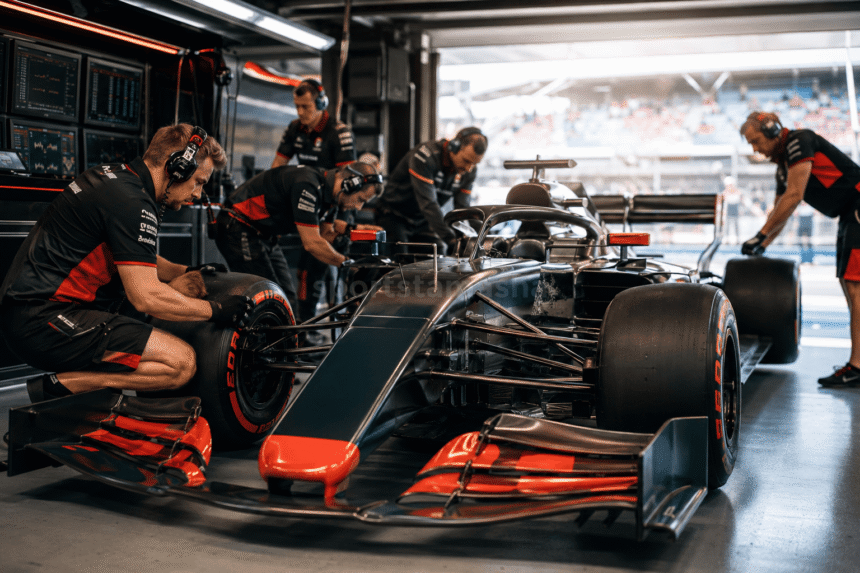
How F1 Sponsorship Works: Team Liveries, Title Sponsors and Brand Deals
Formula 1’s cars are, in many ways, moving billboards — but the sponsorship economy behind them is far more sophisticated than simply slapping a logo on a livery. With a global broadcast audience spanning dozens of countries and a paddock culture that blends technology, luxury, and lifestyle branding, Formula 1 has become one of the most valuable sponsorship platforms in world sport.
Why Brands Choose Formula 1
Formula 1 offers sponsors a rare combination: a genuinely global audience, a premium brand association tied to cutting-edge technology and precision engineering, and a hospitality environment — the paddock and team garages — that provides direct access to high-net-worth individuals and corporate decision-makers. This mix has attracted sponsors far beyond traditional motorsport categories like fuel and tyre companies, now including technology firms, financial services providers, luxury fashion houses, and consumer brands targeting Formula 1’s increasingly diverse and youthful fanbase.
The sport’s growth in markets like the United States, driven partly by broader media exposure and an expanded race calendar, has further diversified its sponsor base, drawing entertainment and lifestyle brands eager to reach a growing American audience.
Types of Sponsorship in Formula 1
Title sponsorship involves a brand’s name being incorporated into a team’s official title, typically the most expensive and visible tier of sponsorship, often reserved for the team’s primary financial backer.
Livery sponsorship covers the branding visible on the car itself, ranging from prominent logos on the engine cover and sidepods to smaller placements that still receive significant television exposure given how frequently cars are shown in close-up broadcast shots.
Team and driver apparel sponsorship extends brand visibility to team kit, race suits, and paddock wear, an increasingly important channel as behind-the-scenes content and paddock footage has become a larger part of how fans consume the sport.
Technical partnerships involve suppliers of components, materials, or technology receiving sponsorship recognition in exchange for products or services provided to the team, a mutually beneficial arrangement where the sponsor gains association with elite engineering while the team gains access to specialised technology.
How Sponsorship Value Is Measured
Unlike sports with straightforward attendance or merchandise figures, Formula 1 sponsorship value is typically assessed through broadcast exposure analysis — measuring how many minutes a logo appears on screen across a race weekend, combined with the estimated audience size in each broadcast territory. Specialist research firms track this exposure across every session, translating screen time into an equivalent advertising value that helps both sponsors and teams justify and negotiate deal sizes.
Beyond broadcast exposure, sponsors also value the digital and social media reach of teams and drivers, as well as access to hospitality and corporate entertainment opportunities during race weekends, which have become an increasingly significant part of sponsorship packages.
The Team Budget Cap and Sponsorship
Since the introduction of Formula 1’s cost cap, which limits how much teams can spend on car development and operations, sponsorship revenue has taken on a slightly different strategic role. While teams still rely heavily on sponsorship to fund operations, the cap means that simply outspending rivals is no longer possible, shifting competitive emphasis toward efficient use of resources rather than pure financial firepower. This has, in turn, made sponsorship revenue increasingly important for areas outside the cost cap, such as driver salaries, marketing, and long-term facility investment.
Personal Sponsorship Deals for Drivers
Beyond team-level sponsorship, individual drivers often secure personal sponsorship deals independent of their team contracts. These typically cover categories like fashion, watches, technology, and personal lifestyle brands, and are negotiated directly by the driver or their management team. A driver’s personal brand — built through social media presence, media appearances, and on-track success — directly affects the value of these individual deals, making commercial appeal an increasingly important consideration alongside pure driving performance, especially for drivers navigating contract negotiations at smaller teams.
Circuit and Event-Level Sponsorship
Sponsorship in Formula 1 extends beyond teams and drivers to the race weekends themselves. Individual Grands Prix often carry naming sponsorships, while host circuits and race promoters secure their own separate sponsorship deals covering trackside advertising, hospitality suites, and event-specific promotional activities, creating multiple, overlapping layers of commercial activity across a single race weekend.
Frequently Asked Questions
Why do Formula 1 teams need sponsorship if they receive prize money? Prize money from the sport’s commercial rights holder covers only part of a team’s operating costs; sponsorship remains essential for funding day-to-day operations, driver salaries, and areas of spending outside the regulated cost cap.
How is a logo’s sponsorship value calculated in Formula 1? Specialist research firms typically measure on-screen exposure time across broadcasts and combine it with estimated territorial audience figures to calculate an equivalent advertising value for each sponsor placement.
Do drivers keep their personal sponsorship earnings separate from team contracts? Yes, personal sponsorships are typically negotiated independently by the driver and are separate from the commercial arrangements their team holds with its own sponsors.
Has the cost cap changed how teams approach sponsorship? Yes, since spending on car development is now capped, sponsorship revenue has become increasingly important for funding areas outside the cap, such as marketing, facilities, and driver compensation.
Formula 1’s sponsorship economy has evolved from simple logo placement into a sophisticated, multi-layered commercial ecosystem, one that reflects the sport’s broader transformation into a genuinely global entertainment product.
Sponsorship’s Role in Team Survival
For smaller and midfield Formula 1 teams operating with tighter budgets, sponsorship revenue can be the difference between financial stability and genuine survival within the sport. Historically, several teams have faced serious financial difficulty when a major sponsor withdrew unexpectedly, underscoring how heavily reliant much of the grid remains on securing and retaining strong commercial partnerships alongside prize money distribution. This financial reality has made sponsorship acquisition and retention one of the most critical off-track responsibilities for team principals and commercial directors throughout the season.
Hospitality packages sold to corporate sponsors and their clients during race weekends have also become an increasingly significant revenue stream in their own right, separate from direct branding exposure, reflecting the premium networking value associated with paddock and garage access.