


Premier League Explained: Format, History and Global Appeal
The English Premier League has become the most-watched domestic football competition on the planet, broadcast in nearly every country and followed by fans who may never have set foot in England. Its rise from a rebranded First Division in 1992 to a genuinely global sporting phenomenon offers a compelling case study in how sports leagues can build worldwide commercial appeal.
Origins of the Premier League
The Premier League was formed in 1992 when England’s top-flight clubs broke away from the Football League to negotiate broadcast rights independently, a decision driven largely by the recognition that top-tier English football could generate significantly greater commercial value through direct control over its own television rights. This restructuring proved transformative, unlocking a scale of broadcast revenue that fundamentally reshaped English football’s finances over the following decades.
League Structure
The Premier League consists of 20 clubs competing in a single table format, with each team playing every other club twice across a season — once at home, once away — for a total of 38 matches. Three points are awarded for a win, one for a draw, and none for a loss, with the club accumulating the most points at season’s end crowned champion.
At the bottom of the table, the three lowest-placed clubs are relegated to the second-tier Championship, replaced by three clubs promoted from below, a structure that maintains competitive stakes throughout the season even for clubs with no realistic chance of winning the title, given the significant financial consequences tied to relegation.
Why the Premier League Became So Globally Popular
Several factors combined to fuel the Premier League’s global rise. Aggressive and effective international broadcast rights marketing brought the league to television audiences worldwide far earlier and more comprehensively than many rival European leagues. The competition’s famously unpredictable, high-intensity playing style — often characterised by fast tempo and fewer stoppages compared to some other major leagues — has also proven highly compatible with international television audiences seeking consistently entertaining, fast-paced football.
The league’s financial strength, driven by these broadcast deals, has additionally allowed Premier League clubs to attract some of the world’s best playing talent and coaching staff, further reinforcing the competition’s on-field quality and, in turn, its continued commercial appeal.
European Competition and the Premier League
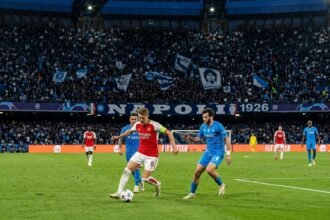
Premier League clubs’ performance in continental competitions, particularly the UEFA Champions League, has become closely tied to the league’s own broader reputation and financial standing. Strong Premier League representation in the latter stages of European competition reinforces perceptions of the league’s overall strength, while also generating additional broadcast and prize money revenue that flows back into the domestic competition’s financial ecosystem.
The Financial Scale of the League
Premier League broadcast rights, both domestic and international, represent one of the largest revenue sources in world football, distributed among clubs according to a formula that balances performance-based allocation with a baseline level of revenue sharing designed to maintain a degree of competitive balance across the league. This financial scale has made Premier League clubs consistently active and competitive participants in the global player transfer market, often able to outbid rival leagues for top talent.
Iconic Rivalries and Fixtures
Part of the Premier League’s enduring appeal lies in its historic rivalries, shaped by geography, history, and decades of competitive encounters between specific clubs. These fixtures carry significance well beyond their immediate impact on the league table, often functioning as cultural touchstones for fans, media, and the wider football community, generating anticipation and coverage that extends far beyond a typical league fixture.
Global Fan Culture
The Premier League’s international fanbase has grown to the point where many clubs now generate substantial commercial revenue from markets far beyond the United Kingdom, reflecting genuinely global support bases built through decades of international broadcast exposure. This global following has reshaped how clubs approach commercial strategy, marketing, and even pre-season fixture scheduling, increasingly incorporating international tours specifically designed to engage overseas fan communities directly.
Frequently Asked Questions
How many clubs compete in the Premier League? Twenty clubs compete each season, with each team playing every other club twice across a 38-match season.
What happens to the bottom three clubs in the league table? They are relegated to the Championship, the second tier of English football, and replaced by three clubs promoted from that division.
Why is the Premier League considered so financially powerful? Extensive domestic and international broadcast rights deals generate substantial revenue, which is distributed among clubs and has helped attract top global playing and coaching talent to the league.
How does Premier League performance affect European competition? Strong performances by Premier League clubs in competitions like the UEFA Champions League reinforce the league’s overall reputation and generate additional revenue that benefits the wider domestic competition.
From its 1992 rebrand to its current status as football’s most-watched domestic league, the Premier League’s combination of competitive quality, financial scale, and global broadcast reach continues to set the benchmark for how a modern football competition can be built and sustained.
Managerial Impact in the Premier League
Managers occupy an unusually high-profile role within Premier League football, often becoming as recognisable to fans as star players themselves. A manager’s tactical philosophy, transfer market judgement, and ability to manage a dressing room across a demanding 38-match season are widely regarded as significant factors separating consistently successful clubs from mid-table sides. The intense media scrutiny surrounding Premier League managerial performance, including frequent speculation about job security following poor results, reflects just how central coaching leadership is considered to a club’s overall competitive fortunes within England’s top flight.
Youth academy investment has also become an increasingly prominent focus for Premier League clubs, with several sides building strong reputations for developing homegrown talent that either strengthens their own first team or generates significant transfer revenue when sold to other clubs.
Transfer window activity surrounding the Premier League similarly draws intense global media attention, with clubs’ summer and winter recruitment strategy often scrutinised as closely as their actual on-field performance throughout the season.