


Inside Football Sponsorships: How Clubs and Brands Build Value
Football’s global reach has turned sponsorship into one of the sport’s largest and most sophisticated revenue streams. From shirt sponsors to stadium naming rights, the commercial partnerships surrounding a football club now rival, and in some cases exceed, matchday and broadcast income. Understanding how these deals work reveals just how much football has evolved into a global business.
Why Football Attracts So Much Sponsorship Investment
Football’s unmatched global viewership makes it an exceptionally efficient platform for brand exposure. A single top-tier club match can be broadcast in dozens of countries, giving sponsors access to audiences that few other marketing channels can replicate at a comparable cost. Beyond raw reach, football also carries strong emotional engagement — fans form deep, often lifelong loyalty to clubs, which sponsors hope translates into positive brand association and purchasing behaviour.
This combination of scale and emotional connection explains why sponsorship categories in football span far beyond traditional sports brands, now including airlines, technology companies, financial institutions, and even cryptocurrency platforms, all competing for visibility on some of the sport’s biggest stages.
The Main Types of Football Sponsorship
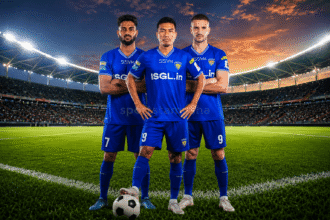
Shirt sponsorship remains the most visible and typically most valuable sponsorship category, placing a brand’s logo directly on a club’s playing kit, seen by fans at every match and across countless media images throughout a season.
Sleeve sponsorship was introduced as an additional revenue stream in many leagues, offering a secondary, smaller branding position on the shirt sleeve, distinct from the main shirt sponsor.
Stadium naming rights involve a brand paying for the right to have a club’s stadium carry its name, a long-term commercial arrangement that provides sustained exposure across broadcast coverage, ticketing, and matchday signage for the duration of the agreement.
Kit manufacturer deals are separate from shirt sponsorship, involving the company that actually produces a club’s playing and training apparel, often among the largest single sponsorship agreements a club holds given the manufacturer’s branding appears across all kit variations sold to fans.
Training ground and academy sponsorship typically offers a lower-cost entry point for brands seeking association with a club, often covering training facilities or youth academy programmes rather than first-team matchday exposure.
How Sponsorship Value Is Determined
Sponsorship deal values in football are shaped by a club’s competitive standing, broadcast reach, global fanbase size, and historical prestige. Clubs competing regularly in prominent continental competitions typically command significantly higher sponsorship value than those competing solely in domestic leagues, given the additional broadcast exposure and international audience that continental competition provides.
Brands also consider a club’s digital following and social media engagement when evaluating sponsorship value, recognising that modern fan engagement increasingly happens through digital channels rather than matchday attendance alone.
The Role of Financial Fair Play Considerations
In many major football competitions, financial regulations govern how clubs can spend relative to their revenue, making legitimate sponsorship income an important and closely scrutinised component of a club’s overall financial health. Governing bodies have, at times, investigated sponsorship deals to ensure they reflect genuine market value rather than being used as a mechanism to artificially inflate a club’s reported revenue in order to bypass spending restrictions.
Sponsorship Beyond the Club Level
Football sponsorship extends well beyond individual clubs. Leagues themselves secure title sponsorships and broad commercial partnerships covering categories from banking to consumer electronics, while national federations and international competitions maintain their own separate sponsorship structures. Individual players also secure personal endorsement deals independent of their club’s sponsors, covering categories such as footwear, apparel, and lifestyle brands, often becoming a significant part of a top player’s overall earnings.
How Clubs Manage Sponsor Relationships
Modern football clubs typically maintain dedicated commercial departments responsible for identifying, negotiating, and managing sponsorship relationships, treating sponsors as long-term partners rather than simple transactional logo placements. This often includes providing sponsors with hospitality access, content collaboration opportunities, and data-driven reporting on brand exposure and fan engagement generated through the partnership, reflecting the increasingly sophisticated nature of football’s commercial operations.
Regional Differences in Sponsorship Approach
Sponsorship patterns vary meaningfully across footballing regions. European clubs often attract sponsors from banking, airline, and technology sectors given the continent’s mature football economy and established broadcast infrastructure. Clubs in emerging football markets may rely more heavily on regional or national sponsors as they build global recognition, gradually attracting larger international sponsorship interest as their competitive profile and broadcast reach grow.
Frequently Asked Questions
What is the difference between a shirt sponsor and a kit manufacturer? A shirt sponsor pays for prominent branding on a club’s playing kit, while a kit manufacturer is the company that actually designs and produces the kit itself, with its own separate branding also appearing on the apparel.
Why do football clubs value stadium naming rights deals? These deals typically provide long-term, guaranteed revenue and sustained brand exposure across broadcast coverage, matchday signage, and ticketing for the duration of the agreement, often spanning many years.
Do individual players have their own sponsorship deals separate from their club? Yes, many players secure personal endorsement deals with brands independent of their club’s commercial partnerships, particularly in categories like footwear and apparel.
How do financial regulations affect football sponsorship? Governing bodies in several major competitions monitor sponsorship deals to ensure they reflect genuine market value, preventing clubs from using inflated sponsorship agreements to circumvent spending regulations.
Football sponsorship has grown into a genuinely global commercial ecosystem, reflecting the sport’s unmatched ability to connect brands with passionate, engaged audiences across virtually every market in the world.
The Growing Influence of Data Analytics in Sponsorship Decisions
Sponsors increasingly rely on detailed data analytics when evaluating potential football sponsorship opportunities, moving beyond simple audience size estimates toward more granular assessment of fan demographics, engagement patterns, and purchasing behaviour associated with a specific club or competition’s fanbase. This data-driven approach allows brands to more precisely target sponsorship spending toward clubs and competitions whose fanbase most closely aligns with their specific commercial objectives, reflecting a broader trend across sports marketing toward more measurable, accountable sponsorship investment rather than purely reach-based decision-making.