

Big Bash League: Complete Guide to Australia’s T20 Cricket Extravaganza
When cricket needed a format that could compete with the pace of modern entertainment, Australia answered with the Big Bash League. Since its launch in the 2011-12 season, the BBL has grown from a domestic experiment into one of the most-watched Twenty20 tournaments in the world, blending elite cricket with a carnival atmosphere that appeals to families, first-time fans, and hardcore cricket followers alike.
What Is the Big Bash League?
The Big Bash League (BBL) is Australia’s premier domestic Twenty20 cricket competition, organised by Cricket Australia. It replaced the earlier state-based T20 competition and introduced a city-based franchise model similar to the Indian Premier League, giving the tournament a sharper commercial identity and a broader fan base. Eight teams compete, each representing a major Australian city or region: Sydney Sixers, Sydney Thunder, Melbourne Stars, Melbourne Renegades, Brisbane Heat, Perth Scorchers, Adelaide Strikers, and Hobart Hurricanes.
The tournament typically runs during the Australian summer, from December through late January, filling a window when school holidays and warm weather make outdoor entertainment especially attractive. This scheduling decision has been central to the BBL’s growth, positioning it as a family-friendly night out rather than just a cricket fixture.
Format and Structure
Each BBL season follows a round-robin format in which all eight teams play a set number of matches against each other, with the top four progressing to the finals series. Matches are played under the standard T20 rules: two innings of 20 overs per side, with the team scoring more runs declared the winner. The finals series culminates in a single Final match to crown the champion.
Over the years, the league has experimented with rule tweaks to keep the format fresh, including variations like Power Surges, X-factor substitutions, and Bash Boost points, all designed to reward attacking cricket and keep matches unpredictable until the final over.
Why the BBL Matters Beyond Australia
While the BBL is a domestic competition, its influence extends well past Australian borders. It has become a proving ground for international stars who use the tournament to sharpen their T20 skills before major events like the T20 World Cup. Overseas players are permitted in limited numbers per squad, which means fans regularly see a mix of Australian internationals, rising domestic talent, and marquee international recruits sharing the same dressing rooms.
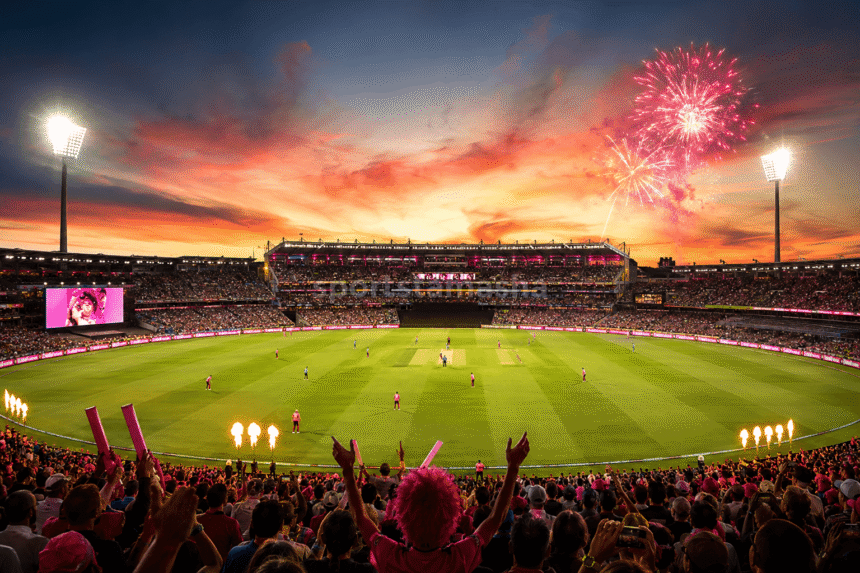
The BBL has also played an important role in growing the game commercially. Broadcast deals, night matches under lights, family ticketing packages, and stadium entertainment (music, fireworks, fan zones) have made it a template that other boards have studied when designing their own domestic T20 leagues.
The Women’s Big Bash League (WBBL)
Running alongside the men’s tournament, the Women’s Big Bash League has become one of the most important competitions in women’s cricket globally. Launched in 2015, the WBBL uses the same eight-city franchise structure and has been instrumental in raising the professional standard, visibility, and pay of women’s cricket in Australia. Many WBBL matches are now broadcast as standalone fixtures with dedicated commentary teams, a sign of how far the competition has come in terms of production value and fan investment.
Key Ingredients of BBL Success
A few factors explain why the Big Bash League has endured as a fan favourite:
Accessible timing. Matches are scheduled in the evening, making them easy to attend after school or work, and they fit neatly into a three-hour television window.
City rivalries. By basing teams in specific cities rather than states, the BBL created natural derby matches — Sydney Sixers versus Sydney Thunder, or Melbourne Stars versus Melbourne Renegades — that generate genuine local rivalry and ticket demand.
Entertainment value. Beyond the cricket, BBL matches are packaged as full evenings of entertainment, with music, pyrotechnics, and interactive fan activities between overs.
Talent pipeline. The tournament gives young Australian cricketers a high-pressure stage to develop skills that translate directly into state and international selection, while also offering veteran players a route to extend their careers in the shorter format.
How Teams Build Their Squads
BBL squads are built through a combination of retained players, a draft process, and marquee international signings. Franchises balance their rosters between experienced campaigners who provide stability in run-chases and death bowling, and younger domestic players who are given opportunities to prove themselves against high-quality opposition. This structure has made the BBL a genuine pathway competition — several Australian internationals credit their Big Bash performances with fast-tracking their national team selection.
Sponsorship and Commercial Growth
Like most modern T20 leagues, the BBL relies heavily on sponsorship revenue, from title partners to team jersey sponsors and broadcast partnerships. Brands are drawn to the tournament’s family demographic and high television reach during the Australian summer, a period when live sport is a major share of viewing. The commercial model has matured over more than a decade, with naming rights, digital content deals, and international broadcast syndication all contributing to the league’s financial base.
Watching the BBL
For fans outside Australia, the BBL is broadcast through various regional sports networks and streaming platforms, with matches typically played in the evening Australian time, which can mean daytime or late-night viewing depending on the viewer’s location. The tournament’s relatively short, fast-paced matches make it an easy entry point for newer cricket fans who may find Test cricket’s longer format less immediately accessible.
Frequently Asked Questions
How many teams play in the Big Bash League? Eight teams compete in the BBL, each representing a major Australian city.
When is the BBL season played? The tournament is generally held during the Australian summer, from December to late January.
Is the Big Bash League the same as the Sheffield Shield? No. The Sheffield Shield is Australia’s first-class (multi-day) domestic competition, while the BBL is the Twenty20 franchise tournament.
Can international players participate in the BBL? Yes, each franchise is permitted a limited number of overseas player slots, allowing international stars to feature alongside Australian talent.
The Big Bash League’s blend of elite competition, family entertainment, and city-based rivalry has secured its place as one of the most successful domestic T20 tournaments in world cricket, and its influence on how the sport is packaged and sold continues to shape leagues far beyond Australia.